Before diving into the exciting world of home winemaking, it is essential to gather the right supplies. Having everything prepared will make your winemaking experience smooth and enjoyable. Here is a list of essential items you'll need to get started.
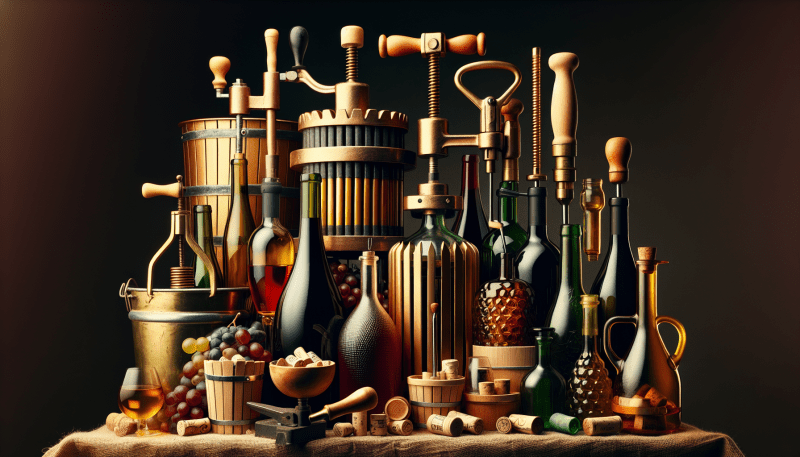
First and foremost, you will need a fermentation vessel. A glass carboy or a food-grade plastic bucket works well for this purpose. These containers allow for the proper fermentation process while preventing contaminants from spoiling your wine. Make sure to also invest in an airlock, which allows gases to escape without letting air in—crucial for maintaining the quality of your wine.
Next on your list is a stirring spoon, preferably made of food-grade plastic or stainless steel. A sturdy spoon is essential for mixing your ingredients thoroughly. You will also need wine bottles for storing your finished product. Choose bottles specifically designed for wine, as they are able to withstand the pressure during fermentation.
Lastly, don’t forget the other little essentials that make a big difference: a hydrometer for measuring sugar content, a bottle brush for cleaning, and sanitizer to keep your equipment free from harmful bacteria. These tools ensure that your process is efficient and that your wine maintains its delicious flavor throughout the fermentation journey.
Choose the Perfect Grapes
Choosing the perfect grapes is one of the most exciting steps in crafting your own wine at home. The grapes you select will largely determine the flavor, aroma, and overall character of your wine. So, how do you choose? It’s all about understanding the different grape varieties and their unique traits.
First, consider the style of wine you wish to create. For white wines, popular grape varieties include Chardonnay, Sauvignon Blanc, and Riesling. Each of these brings its own unique taste and aroma. If you prefer red wine, think about grapes like Cabernet Sauvignon, Merlot, or Pinot Noir. Each red grape type has its own bouquet and depth of flavor, making them suitable for various wine styles.
Next, think about where you plan to source your grapes. If you live in an area known for vineyards, visiting local growers can provide you with fresh, high-quality options. Alternatively, you can also order grapes online, but make sure to choose reputable suppliers to ensure a great start to your winemaking adventure.
Lastly, don't forget to consider the ripeness of the grapes. Grapes picked at the right time will have optimal sugar levels and acidity, ensuring a balanced and delicious wine. A simple taste test can help you assess their ripeness before you make that big decision. Happy grape hunting!
Step by Step Brewing Process
Before diving into the brewing process, it’s essential to gather all your ingredients and tools. You’ll need fresh grapes (or other fruits), sugar, yeast, and water. Additionally, make sure to have the right equipment on hand, such as a fermentation jug, airlock, bottles, and a siphon. Having everything ready ensures a smoother and more enjoyable brewing experience.
Step 2: Prepare the Fruit
Rinse your fruits thoroughly to remove any impurities. For grape wine, crush the grapes to release their juice, including the skins for added flavor. If you are using other fruits, chop them into smaller pieces. Once prepared, place the fruit mixture into your fermentation jug. The natural sugars in the fruit will help kick-start the fermentation process.
Step 3: Add Sugar and Yeast
Next, it’s time to enhance the sweetness and flavor of your wine. Add the desired amount of sugar to your fruit mixture, stirring well to dissolve it. Then, sprinkle yeast over the mixture. Yeast is the magical ingredient that will transform your sugary juice into delicious wine. After this, secure the airlock on your fermentation jug to allow gases to escape while keeping out unwanted bacteria.
Step 4: Fermentation
Place your fermentation jug in a cool, dark area, and let it sit for about one to two weeks. During this time, you’ll notice bubbling and fizzing, which indicates that fermentation is taking place. Check on your brew regularly; once the bubbling has stopped, it’s a sign that fermentation is complete. At this point, you can siphon the wine off the sediment for a clearer final product.
Step 5: Bottle and Age
Finally, it’s time to bottle your wine. Use a siphon to transfer the wine to clean bottles, leaving some space at the top. Seal them tightly and store your bottles in a cool, dark place for aging. The aging process can take anywhere from a few months to a year, depending on the type of wine you’re making. Patience is key here, as the flavors will develop and mature over time, rewarding you with a delightful homemade wine!
Bottling and Enjoying Your Wine
After you've fermented your wine and it has reached the desired flavor profile, it's time to move on to the bottling process. This is an exciting step, as it means your hard work is about to pay off! Begin by ensuring that all your equipment is clean and sanitized. Bottles, corks, and any tools you’ll be using should be free from contaminants to ensure the best quality of your wine.
Start by siphoning the wine from your fermentation vessel into the cleaned bottles. It’s essential to leave some space at the top of each bottle to allow for the wine to expand. If you're using corks, make sure they're in good condition and properly fitted to avoid any unwanted oxygen entering the bottle. A corking machine can make this process much easier if you plan to cork many bottles.
Once bottled and corked, it's important to store your wine properly. Place the bottles horizontally in a cool, dark place, ideally at a consistent temperature. This will help keep the cork moist and maintain the quality of your wine over time. Patience is key here, as wines often improve with a little age. After a few weeks, you can finally start to enjoy your homemade creation!
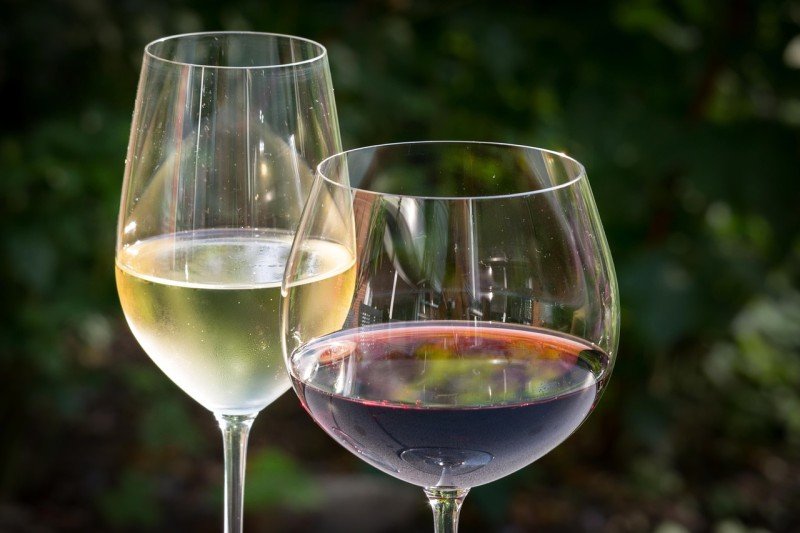
When you’re ready to taste your wine, make sure to serve it at the appropriate temperature. Red wines are often enjoyed at room temperature, while white wines are best chilled. Pour yourself a glass, take a moment to appreciate the color and aroma, and savor the unique flavors that you’ve crafted. There's nothing quite like sharing a glass of your very own homemade wine with friends and family!